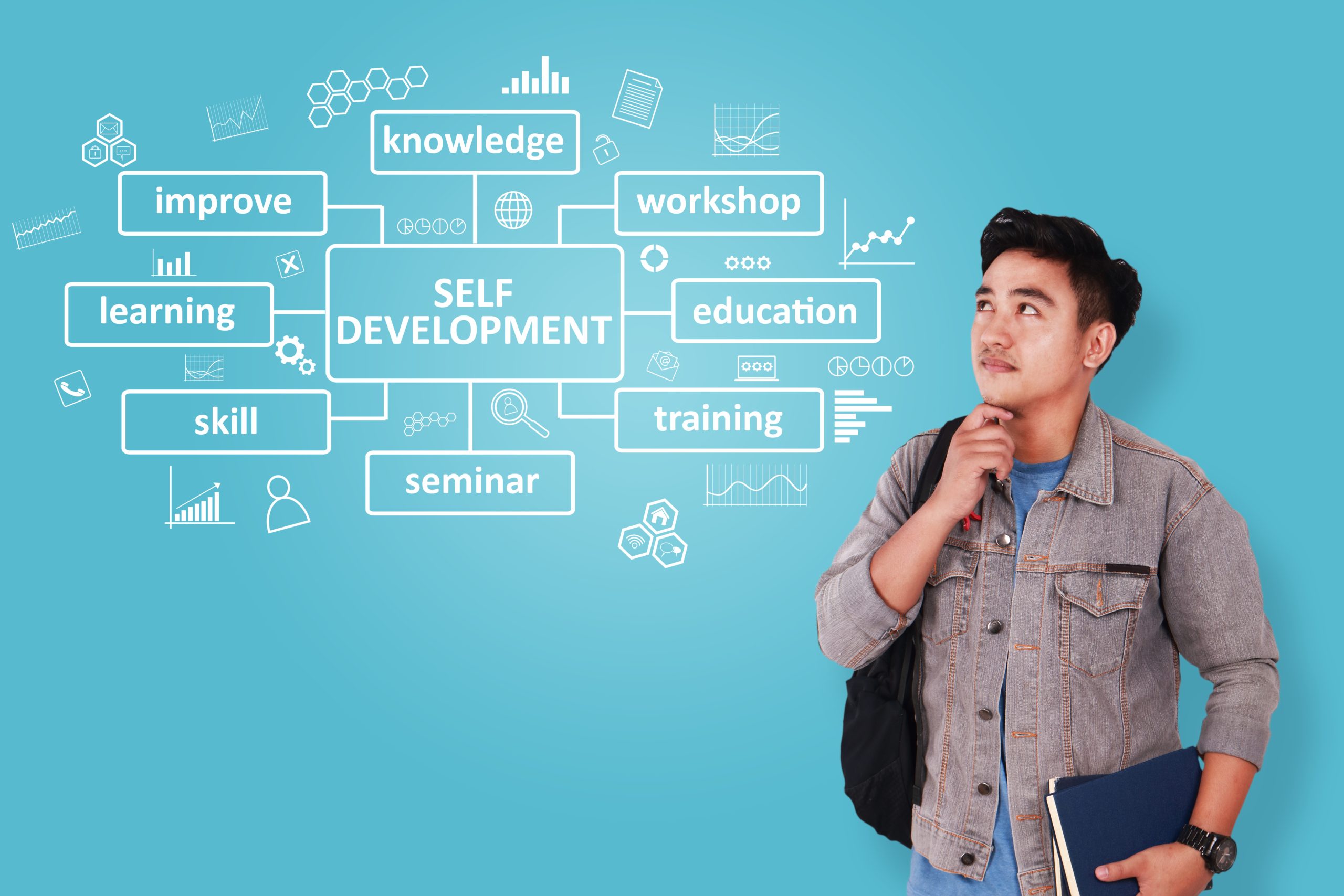
Discover why Learning & Development has evolved beyond training and how strategic learning drives workforce readiness, talent development, organizational performance, and business success.
For many years, Learning & Development (L&D) was viewed primarily as a training function responsible for delivering courses, onboarding employees, and supporting compliance requirements.
Today, that perspective is rapidly changing. Organizations facing workforce shortages, digital transformation, Artificial Intelligence adoption, evolving employee expectations, and increased competitive pressures are discovering that learning is no longer simply a support function. It is a strategic business capability.
Forward-thinking organizations recognize that Learning & Development plays a critical role in workforce readiness, talent development, organizational resilience, and long-term business performance. The future of work belongs to organizations that learn continuously, adapt quickly, and invest strategically in developing their people.
The Business Environment Has Changed
Organizations today face unprecedented levels of change. Technological advancements, automation, Artificial Intelligence, demographic shifts, and changing workforce expectations are transforming industries at a rapid pace. As a result, employees must continuously develop new skills, leaders must navigate uncertainty, and organizations must adapt faster than ever before. Traditional training approaches are no longer sufficient. Organizations need learning strategies that support:
- Workforce transformation
- Leadership development
- Employee engagement
- Organizational adaptability
- Innovation
- Performance improvement
Learning has become a key driver of organizational success.
From Training Provider to Strategic Partner
One of the most important shifts in Learning & Development is the transition from a training provider to a strategic business partner. Rather than focusing solely on course creation and delivery, modern L&D functions are helping organizations answer critical questions:
- What capabilities will our workforce need in the future?
- How do we close skills gaps?
- How can we improve employee performance?
- What learning investments create the greatest business impact?
- How do we support workforce transformation initiatives?
By aligning learning with business objectives, organizations can ensure that development efforts contribute directly to strategic outcomes.
Learning Supports Workforce Readiness
Workforce readiness has become a major priority for organizations preparing for the future of work.
Employees need new skills to work effectively in increasingly digital, data-driven, and AI-enabled environments. Learning & Development helps organizations prepare employees by:
- Building future-ready skills
- Supporting digital literacy
- Enhancing leadership capabilities
- Developing critical thinking
- Strengthening adaptability
Organizations that prioritize workforce readiness are better positioned to respond to change and seize new opportunities.
The Connection Between Learning and Talent Development
Learning and talent development are deeply interconnected. Employees increasingly seek opportunities for growth, advancement, and continuous learning. Organizations that provide meaningful development opportunities often experience:
- Higher employee engagement
- Improved retention
- Stronger leadership pipelines
- Greater internal mobility
- Enhanced workforce capabilities
Talent development is no longer limited to high-potential employees. It has become an organizational priority that supports workforce sustainability and long-term success.
Learning Drives Organizational Performance
One of the most significant misconceptions about learning is that it cannot be measured. Modern organizations are leveraging learning analytics, workforce analytics, and performance data to evaluate the effectiveness of learning initiatives. Organizations can measure:
- Skills acquisition
- Knowledge application
- Employee performance improvements
- Workforce capability growth
- Business impact
When learning is aligned with organizational goals, it becomes easier to demonstrate value and justify continued investment.
Learning and Employee Experience
Employee expectations have changed significantly. Today’s workforce values opportunities to learn, develop, and grow professionally. Learning experiences contribute directly to employee experience by:
- Increasing engagement
- Supporting career growth
- Building confidence
- Encouraging collaboration
- Strengthening organizational culture
Employees who feel supported in their Development are more likely to remain engaged and committed to organizational success.
Learning in the Age of Artificial Intelligence
Artificial Intelligence is accelerating the need for continuous learning. As job roles evolve, employees must develop new competencies and adapt to changing workplace demands. Organizations that invest in AI literacy, workforce development, and learning ecosystems will be better positioned to maximize the value of emerging technologies. The goal is not simply to teach employees how to use AI tools. The goal is to create a workforce capable of learning continuously and adapting successfully to future challenges.
Building a Strategic Learning Function
Organizations seeking to elevate Learning & Development should focus on:
- Aligning learning with business objectives
- Conducting workforce capability assessments
- Identifying future skill requirements
- Measuring learning effectiveness
- Leveraging workforce analytics
- Supporting leadership development
- Creating continuous learning cultures
These practices help transform learning from a cost center into a strategic driver of organizational success.
Learning & Development is no longer just about delivering training. It is about developing workforce capabilities, supporting organizational transformation, improving employee experience, and preparing organizations for the future of work. Organizations that view learning as a strategic business function gain a competitive advantage because they are better equipped to adapt, innovate, and grow. The future belongs to organizations that invest in learning, talent, and workforce development as critical components of business strategy.
Ready to strengthen workforce readiness and learning performance? Explore how strategic learning, workforce development, and talent development initiatives can help your organization prepare for the future of work.